Guides
Cultural Performances for University International Days

University international days are one of the most reliable first bookings for a cultural company, and one of the most misunderstood. The brief looks generous on paper: a big room, a captive audience, a publicity budget. In practice it is a student committee, a fixed date, a hard budget, and a room that is usually booked until an hour before you need it.
The audience is the whole point
This event exists to show exchange between international and home students. An audience of mostly one nationality, however well performed, defeats the purpose and gets quietly criticised by the committee. A set that includes several of Pakistan's regions is not just culturally richer, it is more useful to the organisers.
Set structure for a 25 to 40 minute slot
These events rarely need a full-length production. A tight, well-paced set works better than a compressed one. A structure that has worked repeatedly:
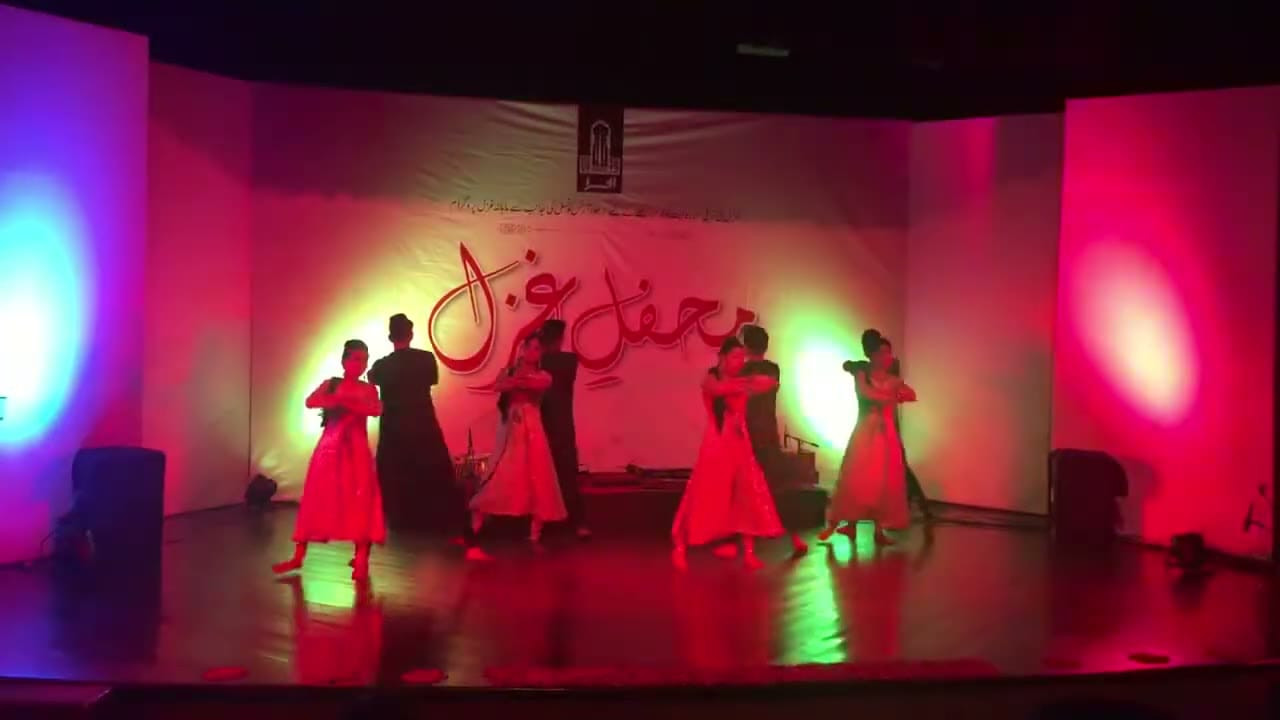
- Opening, roughly 5 minutes — a strong, high-energy piece that establishes energy immediately and invites the room to settle.
- Middle, 20 to 25 minutes — three or four segments from different regions or forms, introduced briefly so the audience understands what it is seeing.
- Closing, 5 minutes — a number the audience can be brought into, and a moment to acknowledge the organisers.
Programmes this size need a host or a voice-over. Without one, the audience experiences a series of unfamiliar pieces rather than a narrative, and the committee's stated goal of cultural exchange is much harder to claim.
Hosting and stage time
Agree who introduces each segment, and prepare the text with the committee. International audiences respond well to being told what a Dhamal or a Khattak is. It takes ninety seconds and it changes how the piece is received.
Budget reality
Student budgets are the hardest constraint. Three things help more than negotiation:
- Agree the number of performers for the budget up front, not after. A smaller company fully rehearsed beats a large one improvised.
- Separate the performance fee from expenses explicitly, so the committee can fundraise against a clear line.
- Be flexible on dates within the academic calendar, which can make a difference bigger than a fee adjustment.
Technical needs for a campus venue
University halls vary enormously. Ask specifically whether there is a lighting rig, what the sound system supports, whether there is a green room, and what the stage dimensions are. A hall with a flat floor and a decent PA can support a strong production with minimal technical support, and that is often the better trade.
Also confirm power load-in, whether rehearsal space is available on the day, and who your on-site contact is. Campus bookings live or die on the last of these.
Make it reusable for them
Ask the committee for a recording of the finished set, with their agreement. International day videos circulate for years and are often the reason a society contacts you the following year, or a graduate does, on another continent. Offer it as part of the package rather than as an extra.
Send us the date, the venue, the slot length and the student society details and we will propose a set. Start a conversation.